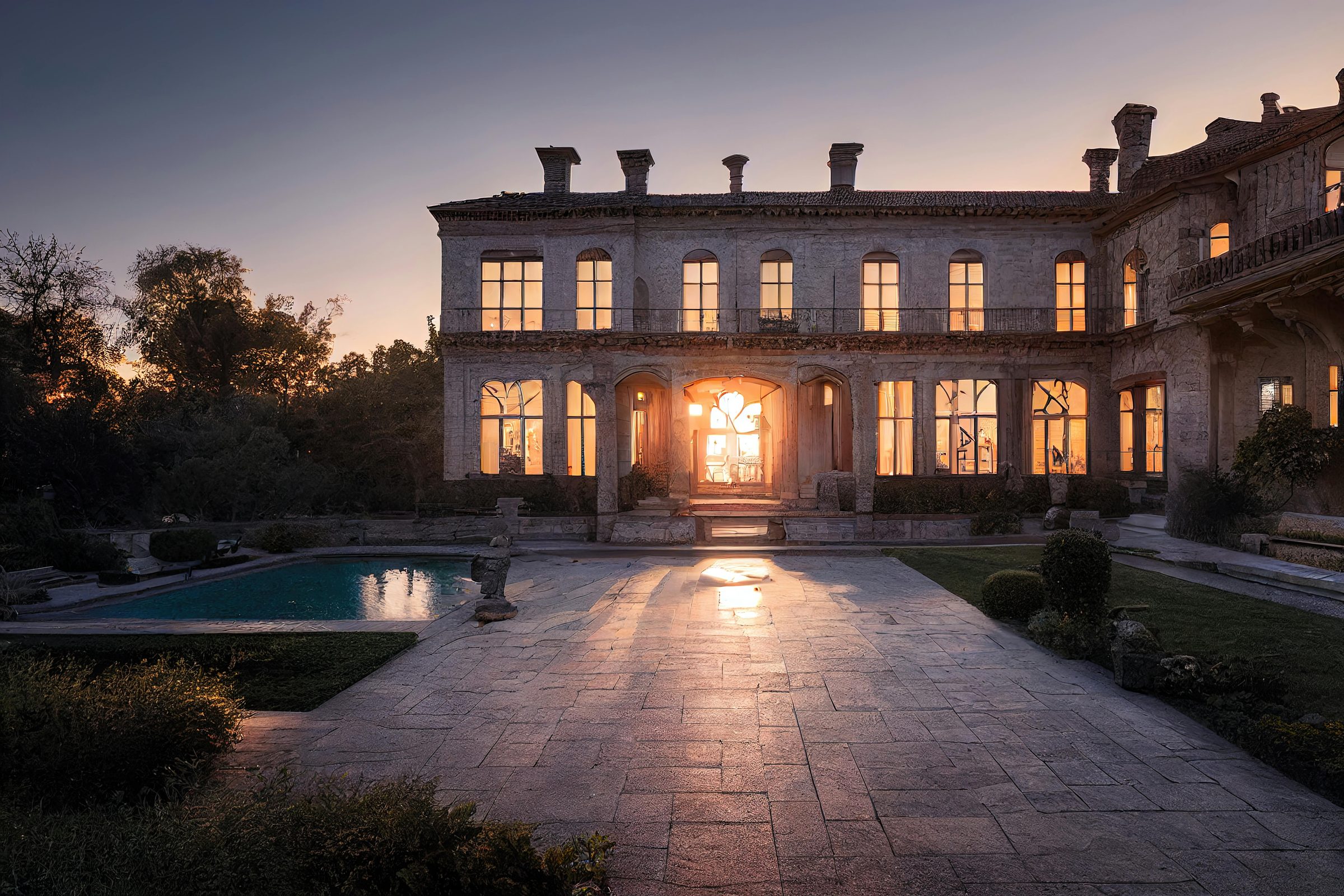
Monitoring layer

Security cameras, gate security, AI recognition, and estate IoT built to tell you what the property is doing.

We design the visible monitoring stack of the estate: perimeter cameras, owner-authorized facial recognition and familiar-face alerts, gate entry and exit tracking, leak and freeze sensors, smart gate and lock telemetry, power monitoring, and a cleaner path from alert to action.

Camera coverage

Perimeter, service entry, driveway, gate, dock, pool, and mechanical-space visibility.

Recognition layer

Familiar-face review, after-hours filtering, and smarter event escalation.

IoT signals

Leak, freeze, humidity, power, gate, lock, and equipment telemetry tied back to one operating layer.

Diagram showing security cameras, AI recognition, access control, leak sensors, and power monitoring connected to one estate dashboard

What this page covers

The monitored estate, not just the camera package.

The right stack is not a random list of devices. It is one coordinated layer that helps owners, estate managers, and trusted vendors see arrivals, verify alerts, catch water or temperature issues early, and keep the property calm while nobody is home.

Perimeter cameras Familiar-face alerts Gate + garage status Leak sensors Freeze monitoring Smart locks Power telemetry Owner dashboard

Available capabilities depend on the property layout, selected hardware, and the owner’s privacy and access-control preferences. We scope the monitoring stack deliberately instead of overselling a gadget pile.

Showcase

The estate devices we use to make oversight faster, cleaner, and more reliable.

Security cameras

Coverage that reflects how the property is actually used.

We map cameras around the perimeter, arrival paths, gate lines, service entries, outdoor amenities, and vulnerable equipment areas so the footage helps operations instead of becoming dead storage.

Driveway Gate Front approach Rear perimeter Pool + dock Mechanical room

AI facial recognition

Owner-authorized recognition that reduces noise, not judgment.

The goal is to separate familiar arrivals from unknown, after-hours, or unexpected movement so the property gets smarter alerts and faster review instead of a constant stream of unusable motion notifications.

Familiar-face alerts Quiet trusted faces Unknown-person review After-hours triggers Arrival verification Service traffic logs

IoT estate sensors

Signals from the parts of the house that fail quietly.

Water, freeze, humidity, sump, gate position, garage status, power draw, pumps, and critical equipment can all be folded into one monitoring view so the property surfaces risk before it turns expensive.

Leak Freeze Humidity Gate Garage Pump runtime Power loss

Gate security example

Who visited today? Gate intelligence that knows who belongs and who needs review.

Driveway security alert image showing an unknown person detected at the estate gate

Jarvis alert / driveway camera 04

Unknown person detected in your driveway

North gate · 9:14 PM · known-face match: none · clip and still ready for review

Review clip Add trusted face Escalate to travel watch

Jarvis gate review

Jarvis can turn a gate camera into a real decision point.

The gate layer can log every entry and exit, keep a timeline of approved vendors, and apply familiar-face rules so routine arrivals stay quiet. If you add your son, daughter, house manager, or driver as trusted faces, the system can suppress routine alerts while still recording the pass.

Entry + exit history Trusted faces Quiet family arrivals Unknown-person alert Jarvis review prompt Gate held-open checks

When an unknown person appears, Jarvis can surface the alert, ask Do you know this person?, and move the event into travel watch or security review if the arrival does not belong on the estate.

Specific products + alert examples

Named devices, example automations, and the kinds of monitored outcomes owners care about.

Camera examples

Representative products we can scope.

  • AI Turret for hardened exterior positions like gates, garages, and service courtyards
  • AI Pro for longer approach lines where zoom and stronger AI event review matter
  • G6 Bullet for all-weather perimeter, side yard, and service-path coverage
  • UNVR recording so event review, clip retention, and remote visibility stay organized

Monitoring devices

IoT beyond cameras.

  • Leak sensors under sinks, near pumps, around water heaters, and in basement mechanical rooms
  • Freeze, temperature, and humidity sensors in attics, detached structures, wine rooms, closets, and storage
  • Smart locks, gate contacts, and garage-status devices for vacant-estate awareness
  • UPS alerts and smart-plug telemetry on pumps, freezers, networking gear, and other critical loads

Example automations

What we can make the estate do.

  • Unknown face at the north gate sends a Jarvis prompt with a snapshot, clip, and trusted-face review options
  • Water detected in the basement mechanical room triggers owner notification and vendor escalation
  • Interior temperature dropping below 55°F launches a freeze-risk alert before pipes are exposed
  • Gate left open outside approved hours creates a travel-watch review task instead of a missed detail

What the owner gets

Operational outcomes, not gadget chaos.

  • Cleaner familiar-face and arrival review instead of useless motion spam
  • One monitoring view tying together cameras, access signals, climate, water, and power alerts
  • Better travel-watch coverage when the estate is vacant for weeks or months
  • An incident trail that feeds the estate app, monthly reporting, and vendor accountability

Product choices vary by estate size, wiring, coverage goals, and privacy requirements. We design the stack to support management, not to maximize gadget count.

Camera package examples

What owners usually want covered.

  • Front arrival sequence, guest approach, and service entry routes
  • Driveway and gate lines with cleaner visibility around vehicle access
  • Rear perimeter, terraces, docks, and pool or cabana zones
  • Mechanical, generator, wine, storage, or equipment rooms where quiet issues start

Recognition + analytics

The alert layer should be selective.

  • Familiar-face and household arrival patterns
  • Trusted faces that can stay quiet instead of creating routine alerts
  • Unknown or after-hours human activity at key approach points
  • Rule-based review for vendor windows, delivery zones, and vacant periods
  • Event snapshots routed into travel watch and owner reporting workflows

Estate IoT monitoring

Devices that catch non-security issues too.

  • Leak sensors under sinks, near pumps, around water heaters, and in basements
  • Temperature and freeze alerts in vulnerable rooms and detached structures
  • Humidity monitoring for seasonal homes, closets, art-sensitive areas, and storage
  • Smart plugs and telemetry for pumps, freezers, networking gear, and other critical loads

Access + condition telemetry

Open, closed, on, off, normal, abnormal.

  • Gate and garage position awareness during travel or vendor windows
  • Smart-lock status and entry awareness at critical doors
  • Power-loss, UPS, and failover internet alerts for estate infrastructure
  • Generator or backup-power awareness during storm events and outages

From device to action

The stack only matters if it drives a better response.

01

Detect

A camera, lock, leak sensor, freeze sensor, or smart device sees movement, water, temperature drift, or power change.

02

Verify

AI filtering, familiar-face review, and video or telemetry context reduce noise and make the event more usable.

03

Escalate

The alert is routed to the owner, travel-watch workflow, or vendor dispatch path based on what actually happened.

04

Record

The event and follow-through can be reflected in the estate app or reporting layer so the property keeps a memory.

Best fit

This page matters most for owners who want visibility without living in their alerts.

The best projects are not driven by gadget obsession. They are driven by a need for calmer oversight: large Main Line homes, Florida seasonal residences, compounds with detached structures, owners traveling for weeks at a time, or properties with enough vendor traffic that arrivals, access, and condition monitoring need to be explicit.

This monitoring stack also becomes more valuable when it ties back into travel watch, custom estate reporting, and storm management instead of sitting in isolation.

Typical estate profile

  • Primary homes with large grounds, multiple entrances, and detached structures
  • Seasonal Florida residences that need better remote visibility while owners are away
  • Properties where water, power, gate, and access events matter as much as perimeter security
  • Owners who want one professional monitoring design instead of separate device installs by trade

Frequently asked

Questions owners ask about cameras, AI, and estate IoT.

Do you only install new hardware, or can you improve what is already on-site?

We often improve and reorganize what is already there first, then replace only the pieces that are limiting reliability, visibility, or alert quality.

Is AI facial recognition required?

No. It is optional and configured around the owner’s preferences, device capabilities, and the property’s privacy and access-control requirements.

Can family members or trusted staff be excluded from routine gate alerts?

Yes. Familiar-face rules can be configured so trusted people are still logged at the gate while routine passes stay quiet unless you want alerts for them.

Can leak, gate, lock, and power alerts tie into the broader estate workflow?

Yes. That is the point of the design. Monitoring signals can feed travel watch, reporting, incident logging, and vendor dispatch instead of living in separate apps.

Can this be built for a second home or seasonal residence?

Yes. It is especially valuable for seasonal Florida properties and homes that sit empty for long stretches because the stack improves remote visibility and response quality.

Next step

Design the monitoring stack around the estate, not around a box of devices.

We assess the current camera coverage, alert quality, and sensor gaps, then build a cleaner monitoring plan around risk, travel patterns, access control, and owner visibility.